It goes without saying, the last two years living through the pandemic have
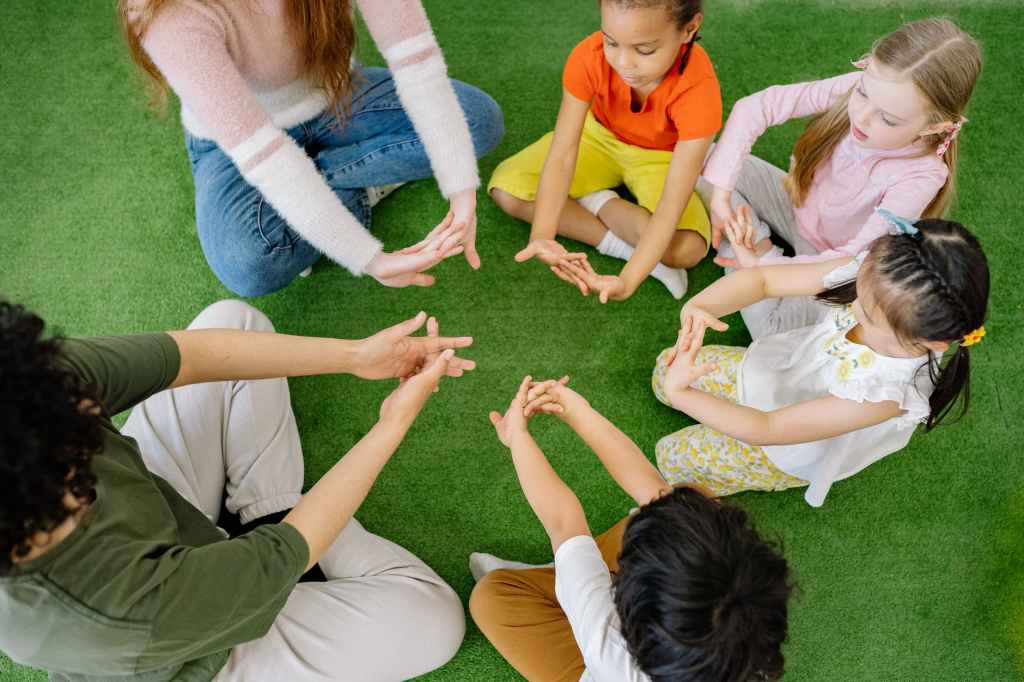
been tough. Tough for everyone, and everyone has been affected in some way and at differing levels, mentally, emotionally, and financially. When a good friend asked me how I would create hope and well-being in the classroom, I thought I should share my thoughts with everyone.
I pondered what it has been like for students in the last three years, some intrinsically motivated students will have thrived having parents at home and being able to concentrate on their studies. Others will have struggled with online learning and working parents and missed a great deal of learning. Social connections and opportunities will have been missed creating gaps in students’ lives. One friend was telling me that they are having swimming sports for the first time in three years and the first time their year 3 students will have attended the fun event, not to mention the first time for swimming lessons for many of them. At the other end of the education journey first year university students will be navigating very new territory having been learning online for a large portion of the last three years. Each community and classroom will have their extremes from fear to indifference and everything in between. Some students fear and anxiousness will still be a stumbling block to their learning. So how do we create an atmosphere of hope and wellbeing where students feel safe and can turn their attention to learning.
You have to address the Maslows before the Blooms
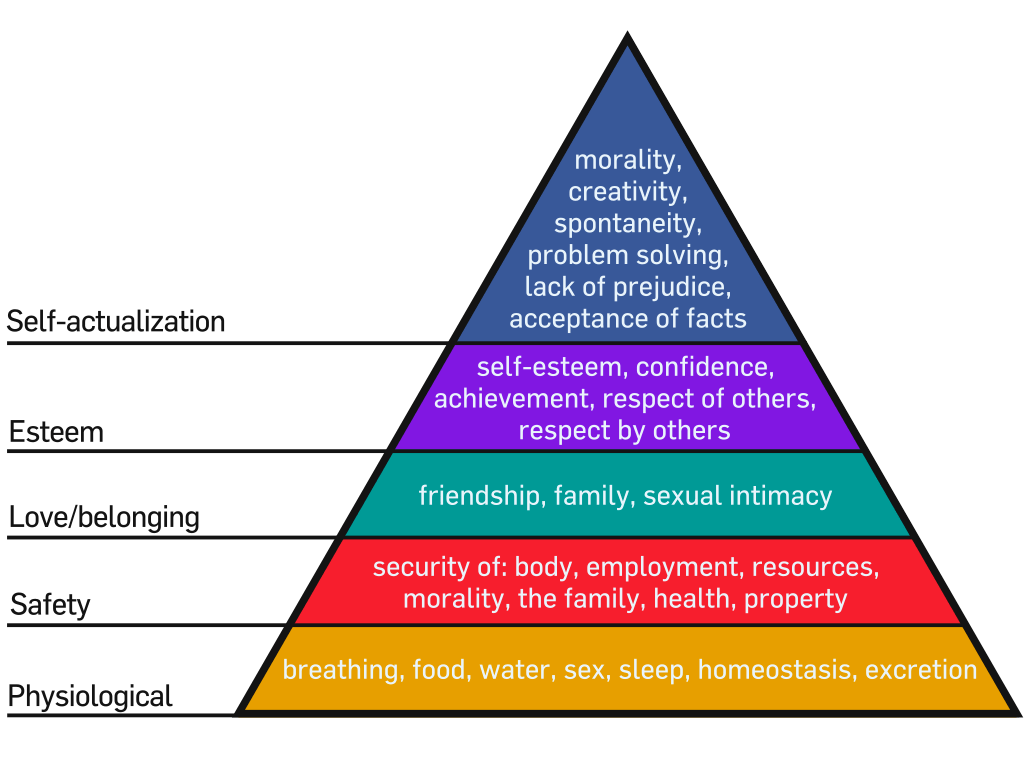
Maslow’s hierarchy of needs suggests that if a student’s basic survival needs such as food and shelter are met, then they can focus their motivation and energies into learning. There are five levels in Maslow’s pyramid. From the bottom of the hierarchy upwards, the needs are physiological (food and clothing), safety (job/classroom security), love and belonging needs (friendship), esteem, and self-actualization. As teachers and educators, we aren’t necessarily able to ensure the first two levels are present in a student’s life, but we can ensure they feel safe within the classroom. Creating a positive and supportive environment in the classroom is essential for promoting hope and well-being among students. Teachers can establish this environment by fostering positive relationships with their students, encouraging collaboration and teamwork, and providing opportunities for students to showcase their strengths and abilities.
Fostering positive relationships falls under a relational learning pedagogy. This is a student-centred approach that puts students in control of their learning. The attitude of “the teacher knows all” is stripped away and instead promotes a reciprocal learning relationship where the teacher learns as much from the students as the students learn from the teacher and their peers. The teacher engages in listening and shows respect and empathy towards students. Russell Bishop in his book ‘Teaching to the North-East’ discusses this pedagogy in detail and explains how the classroom is an extension of our living rooms and the classroom and students can be viewed as extended family (whanau). This environment allows students to feel valued regardless of their culture or any diversity and encourages students to see themselves as successful learners.
Teachers can create a sense of community inclusivity by involving students in the design of the learning activities. Give them autonomy and choice of their topics and assessment which can incorporate diverse perspectives and cultures. Teachers can guide students to participate in learning activities that require them to think critically, participate in class discussions, and collaborate with their peers. Collaborative learning activities, such as group projects and peer evaluations, can help students develop teamwork skills and build trust among their classmates. These activities also provide opportunities for students to learn from one another and develop a sense of ownership over their learning.
Providing opportunities for students to showcase their strengths and abilities can help build students confidence and self-esteem. Teachers can do this by incorporating student-led presentations and projects, allowing students to choose their own assignment or topics, and recognizing and celebrating their accomplishments. I realise this is easier said than done and I’m reminded of how parents who have children who are picky eaters will go to great lengths to disguise food, in the same way teachers will go to great lengths to design fun activities that disguise learning. I am reminded of one of my students (18 years old and neuro diverse) who loved theatre, singing, dancing, acting but unfortunately was not interested in learning. I created many projects to disguise any form of what they saw as learning. One project was to learn more about New Zealand native birds. The topic was their choice and because their learning goals was to increase comprehension and communication skills, I designed a project around native birds that included art, outdoor activities, science, comprehension, and maths and theatre. Along with bird watching and investigating the different birds in the local forest, the student drafted stories about birds who had some unique characters. The story had to have a conflict and solution, which often reflected relationship conflicts in the student’s life. Through much discussion and story writing we were able to find solutions for these. We then turned their favourite story that they had written into a screen play, made a diorama and acted out the play that the student had written. The student videoed it and turned it into a movie which was emailed to friends and family. The student received so much positive feedback reflecting the success of the learning experience for them. The project-based approach to this student’s learning kept the motivation for learning high, they were interested in the topic, and they saw relevance to their life in each activity.
The definition of hope is the feeling of expectation and a desire for a particular thing to happen. We all need hope in our life to be motivated. If students are struggling to find this feeling in their life, then we as teachers and educators are in a most privileged position to be able to create an environment in the classroom where that feeling is present. By spending time in a positive environment filled with hope and where they are positively affirmed will boost students’ well-being.
 Loving Change and All things Learning
Leave a comment