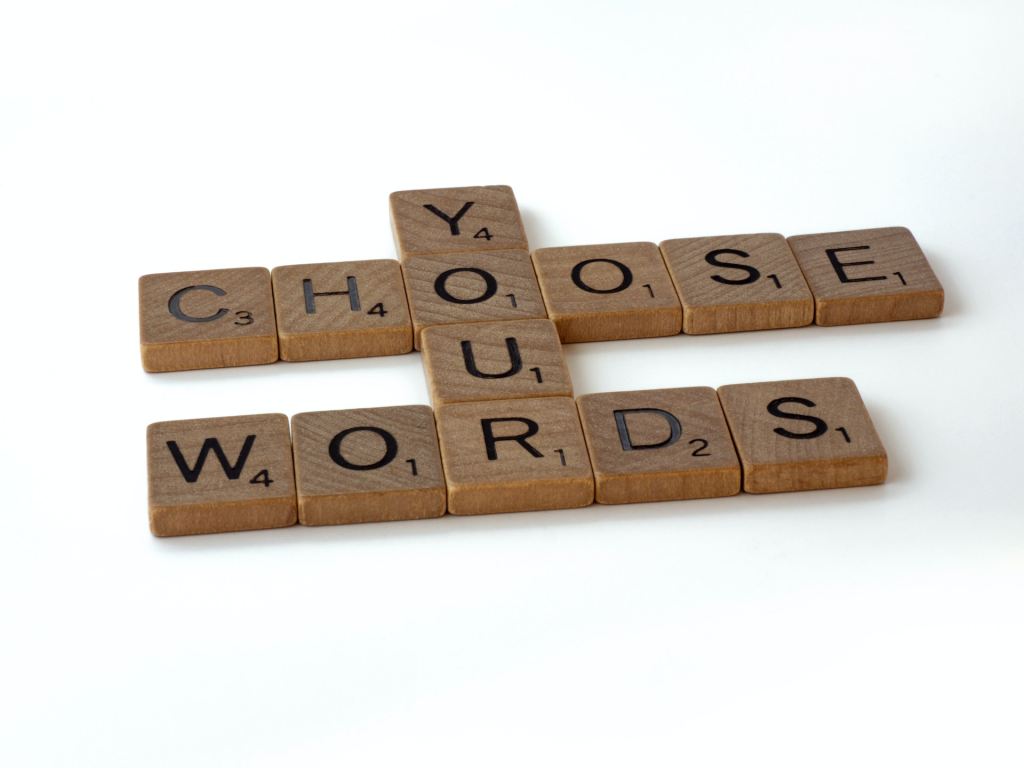
The power of language to influence and inspire.
Words have been used for centuries to shape history. They have been used to influence events and societies. They have been used to convey ideas, inspire action, and sway public opinion. The power of words is evident in speeches, literature, and other forms of communication. Martin Luther King Jr.’s famous “I have a dream” speech is one of courage, determination, and hope. In the early 1960s, the Civil Rights Movement was in full swing. African Americans were fighting for their basic rights, including the right to vote, the right to an education, and the right to be treated equally under the law. Martin Luther King Jr. was one of the leaders of the Civil Rights Movement. A Baptist minister and a gifted orator he inspired people to stand up for equality and justice.
On August 28, 1963, King delivered his “I Have a Dream” speech from the steps of the Lincoln Memorial in Washington, D.C. The speech was a call for an end to racism and segregation. In his speech, King spoke of his dream for a future where all people are treated equally, regardless of their race. He said, “I have a dream that my four little children will one day live in a nation where they will not be judged by the colour of their skin but by the content of their character.” King’s speech was met with a thunderous applause from the crowd of over 250,000 people. It was a powerful and moving speech that helped to change the course of history.
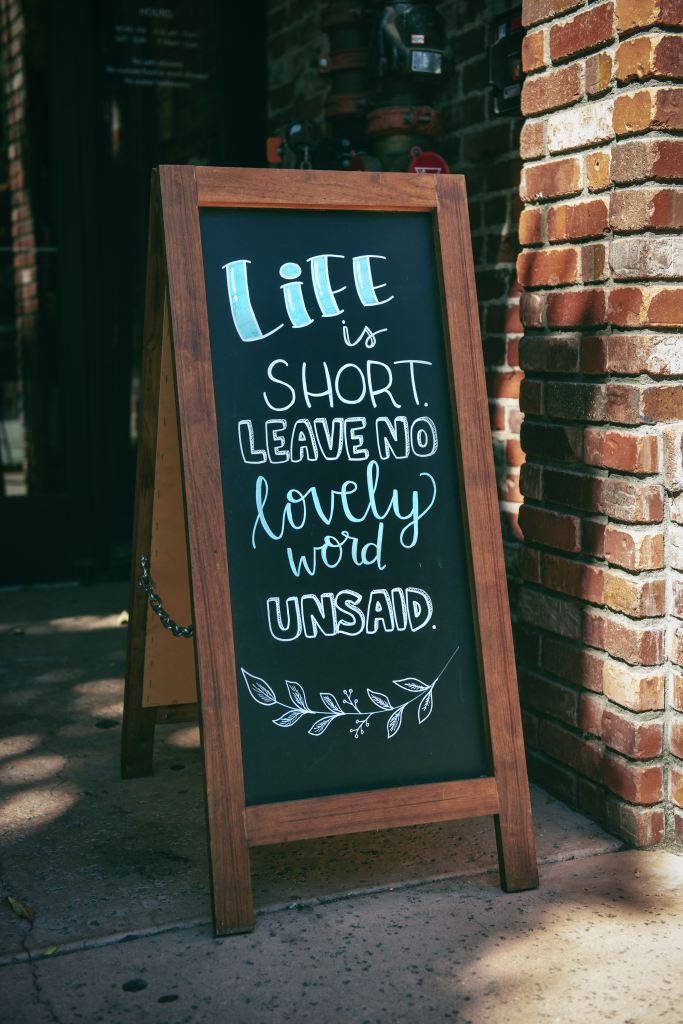
The words King used were transforming and wise, just as important, are the words we choose to use to communicate with our family, friends, and colleagues. What we say and how we say it creates the culture and environment that we exist in. Words are powerful tools that can shape our thoughts, emotions, and actions. They can also affect how others perceive us and respond to us. That’s why it’s important to choose our words wisely, especially when we communicate with others.
Words can have different meanings depending on the context, tone, and intention behind them. Some words can be positive or negative, depending on how they are used. For example, the word “challenge” can mean a difficult task that requires effort and skill, or a confrontation that implies hostility and opposition. The word “change” can mean a process of improvement and growth, or a disruption of stability and comfort.
Words can also have different effects on different people, depending on their personal experiences, beliefs, and values. Some words can be motivating or inspiring, while others can be discouraging or offensive. For example, the word “feedback” can mean a constructive and helpful suggestion, or a harsh and unwelcome criticism. The word “diversity” can mean a celebration of differences and inclusion, or a threat to identity and belonging.
Not only should we choose our words carefully, but we should also understand the context and purpose of what and when we are communicating.
Choosing our words carefully.

What is spoken, either positive or negative can affect ourselves and the people around us for good or bad. They can be used to build up or tear down, to heal or to hurt, to encourage or to discourage. The words we choose have the power to transform another person’s life. Uplifting words can give someone hope, strength, and courage. They can help someone to see their potential and to believe in themselves. Uplifting words can also help to heal emotional wounds and to build relationships. Destructive words can do the opposite. They can crush someone’s spirit, make them feel worthless, and even lead to self-harm or suicide. Destructive words can also damage relationships and make it difficult for people to trust each other.
It’s not only other people’s lives that can be transformed it’s our own. Hearing and listening to our own words can help us increase our confidence, joy, and contentment. On the other hand, if we are continuously using negative and destructive words, we will find ourselves living in a toxic environment. We can transform our environments and our lives.
Some examples for using words in a positive way:
- Be specific and sincere. Don’t just say “good job” or “you’re great.” Give specific examples of what the person did well.
- Be positive and encouraging. Focus on the person’s strengths and potential, not their weaknesses.
- Be respectful and considerate. Avoid using words that are hurtful or demeaning.
- Be mindful of the context. What you say in one situation may not be appropriate in another.
The impact of our words.
We should consider the following factors when choosing our words:
- The purpose of our communication: What are we trying to achieve with our words? Are we trying to inform, persuade, entertain, or inspire? Are we trying to express our feelings, opinions, or facts? Are we trying to build rapport, trust, or respect?
- The audience of our communication: Who are we talking to? What are their backgrounds, interests, needs, and expectations? How do they prefer to communicate? What are their sensitivities, triggers, and boundaries?
- The tone of our communication: How are we saying our words? What is the mood and attitude we are conveying? Are we being polite, friendly, respectful, or professional? Are we being sarcastic, humorous, playful, or casual? Are we being assertive, confident, enthusiastic, or passionate?
- The context of our communication: Where and when are we saying our words? What is the situation and environment we are in? What is the relationship and history we have with the other person? What is the culture and norm we are following?
By choosing our words carefully based on these factors, we can communicate more effectively and positively with others. We can avoid misunderstandings, conflicts, and hurt feelings.
The words we use have the power to change lives. Let’s use our words to build up, not tear down.
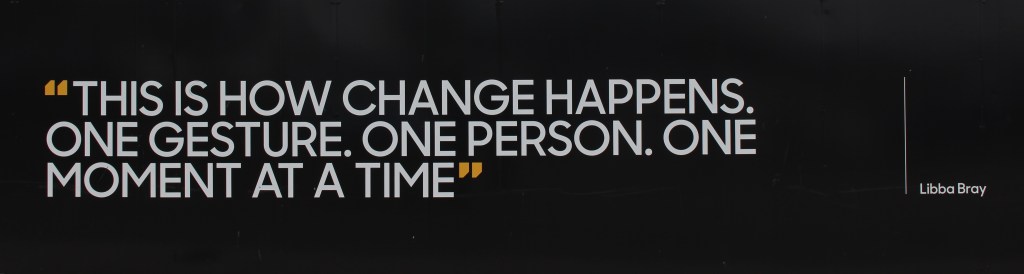
 Loving Change and All things Learning
Leave a comment