
In the previous post I chatted about why knowing who you are and what your values are is important. Important because it grounds you and provides you with confidence to withstand the many challenges we will face on our life’s journey.
In the vast tapestry of human emotions, the feeling of belonging stands out as a fundamental need. From our earliest ancestors gathering around fires to modern-day professionals collaborating in boardrooms, the desire to belong has been an intrinsic part of our DNA.
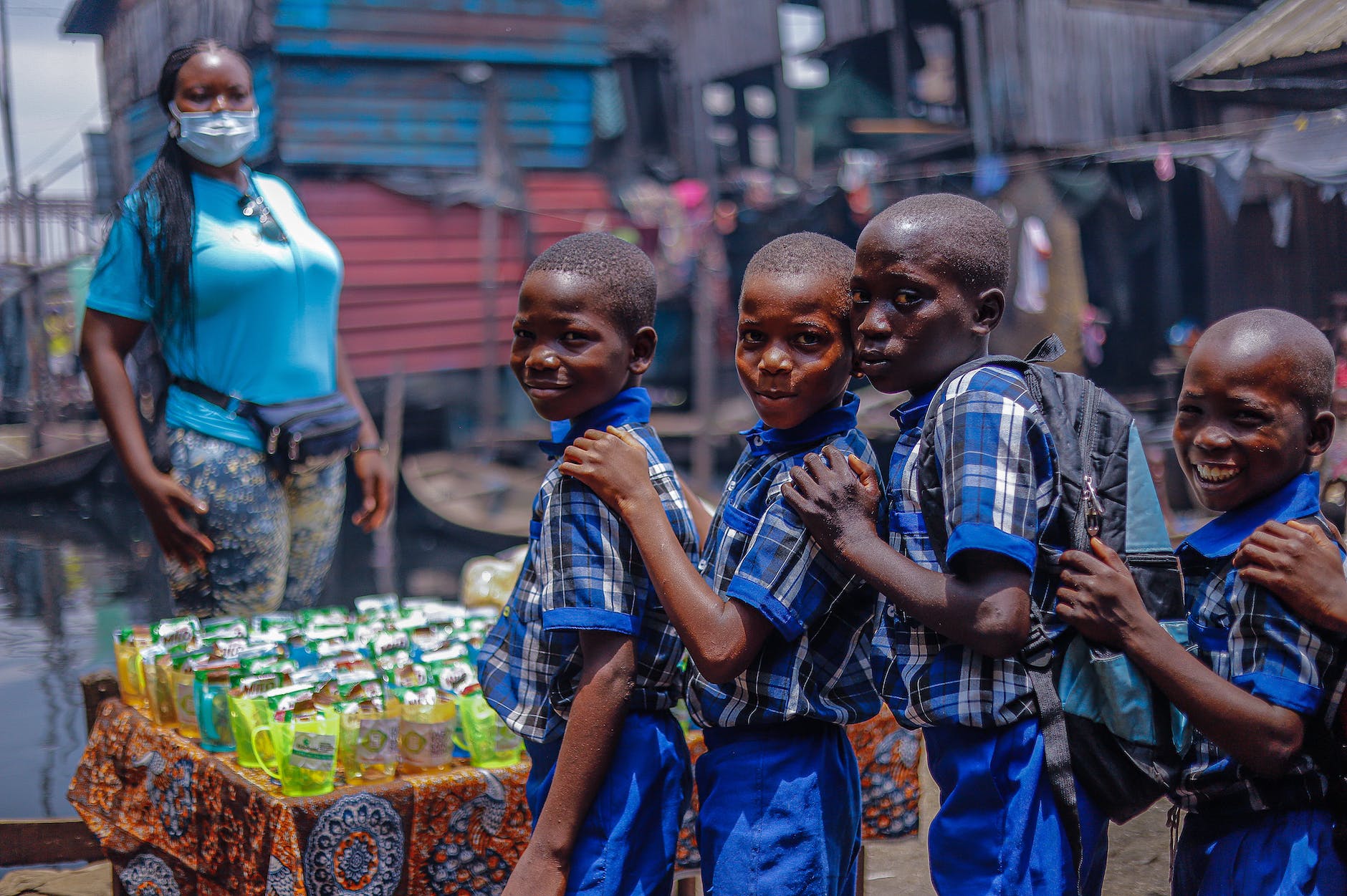
The Innate Need to belong
Homo sapiens, as a species, have always thrived in groups. Our prehistoric ancestors relied on tribes for survival, pooling resources, and sharing responsibilities. Humans have always found strength in numbers. Our forefathers formed tribes, not just for safety but for a sense of community. This inherent need to belong is not just about survival; it’s about emotional well-being, it feeds our soul. The famous anthropologist Margaret Mead was asked what she considered to be the first evidence of civilisation. Her answer came as a surprise, a 15,000-year-old human femur bone, with a healed fracture. She explained that for a human to have survived this broken bone they would have received care from other humans. They would have provided shelter, protection, food and water for an extended period of time until the healing took place. This story shows the person with the broken bone belonged to a family or tribe who cared for them.
Belonging to a family or group is more than just fitting in; it’s about finding a place where you are embraced for being yourself. It’s about creating a support system that understands your aspirations, fears, and dreams. Belonging to a group means you have a network of people who encourage and challenge you, celebrate your successes, and provide solace during challenging times.
The 12 Mighty Orphans is a true story that illustrates perfectly what it means to belong. In the 1930-40s during the Great Depression, Rusty Russell a high school coach was hired by the Masonic Home in Texas. This home catered for young children who had either been left by their parents or lost their parents – orphaned. At the time despite being at the Home through no fault of their own, the children were looked down upon, many couldn’t understand why they had been left there and were struggling with feelings of hurt and insecurity. When Rusty appeared on the scene, he found a bunch of scrawny kids who never smiled and had no hope. Rusty pulled together 12 young teenagers, formed a football team and starting coaching them. Despite facing numerous challenges, including lack of resources and prejudices from the community, the team had a winning season and played in the Texas State championships. The young men went from individuals with no hope to a group with a common purpose. The team became a family and offered a sense of belonging, purpose and identity. Together they were proud to be called orphans. We don’t need psychologists to tell us this sense of belonging leads to increased self-esteem, reduced feelings of loneliness and improved mental health.

Belonging and Team Performance
The onnection between belonging and team performance is undeniable. When individuals feel they are part of a group, they are more motivated to contribute positively. We use the term ‘team’ quite loosely, it can mean a sports team, a professional team or a hobby.
- Sports: In athletic teams, players who feel a strong sense of belonging and camaraderie are more likely to train harder, support their teammates, and strive for collective success. The bond between team members can often be the difference between winning and losing. The NZ All Blacks are renowned for being the best in the world. Owen Eastwood in his book Belonging attributes this directly to the teams whakapapa (sense of belonging). When each individual player proudly wears the jersey, they know their place in the team is woven into the history of the All Blacks and the many great rugby players that had gone before them. This inclusive culture creates a place where each player knows they have a purpose and a stake in the future of the team. This culture has been recognised as part of a winning recipe which many teams around the world are putting into practice, and we are witnessing this as the 2024 Rugby World Cup unfolds.
- Professional Environments: In the corporate world, employees who feel they belong are more engaged, productive, and loyal. They are more likely to collaborate, share ideas, and work towards the company’s goals. A cohesive team can drive innovation and achieve remarkable results. In a maze of cubicles and meeting rooms, when employees feel they’re part of a tribe, they bring their best selves to work. They brainstorm, collaborate, and chase common dreams, making workplaces vibrant and successful. I’m sure I’m not the only person who has experienced the exact opposite. It can make the difference between waking up each morning looking forward to going to work or dreading it.
- Hobbies: In recreational activities, a sense of belonging can boost enthusiasm and commitment. For instance, members of a book club or a gardening group who feel connected will be more active, share insights, and contribute to each other’s well-being. If we live in a large town or city it is important to find a hobby or group to belong to, where you share a common interest. It is these groups that become your community and your support system, your cheering squad and those who you experience life with.
The Ripple effect of Belonging
The benefits of belonging extend beyond individual teams of groups. A positive and inclusive culture can ripple outwards, influencing other teams, departments, or even entire organisations. When one team excels due to a strong sense of belonging, it sets a precedent and inspires others to foster similar environments. It’s like a pebble thrown in a pond, creating ripples that touch far shores. When one team thrives because of a strong sense of belonging, it inspires others, setting off a chain reaction of positivity.
Cultivating a Sense of Belonging
Recognising the importance of belonging is the first step. Leaders, coaches, and group facilitators can foster a sense of belonging by role modelling and encouraging open communication, celebrating diversity and building trust.
- Promote Open communication: encourage team members to voice their opinions, concerns, and ideas. An environment where everyone feels heard fosters belonging.
- Celebrate Diversity: Embrace the unique backgrounds, skills, and perspectives of each member. Diversity can be a team’s greatest strength.
- Build Trust: Trust is the foundation of any strong relationship. Regular team-building activities, transparent communication, and mutual respect can cultivate trust. Trust is the glue that binds. Through team outings, open chats, and mutual respect, sow the seeds of trust.

Conclusion
The emotion of belonging is not just a feel-good factor; it directly influences our individual self-esteem and self-worth. When we believe in ourselves, we can add value to a team which will elevate the overall effectiveness. The sense of belonging in the team creates a community in which we support one another and take care of each other. It is evidence of civilisation and what homo sapiens do – care for one another.

 Loving Change and All things Learning
Leave a comment