
As we navigate through our daily lives, the concept of ‘spaces’—both physical and psychological—plays a crucial role in shaping our experiences and interactions. Moving between these spaces or activities, whether transitioning from home to work, or from a solitary environment to a social gathering, we carry with us the residue of previous encounters. This residual impact influences our current state of mind and can affect how we perceive new spaces or activities and react to the people within them.
Our previous experiences in one space can shape our expectations and behavior in the next. This continuous movement can affect our mood, productivity, and even the way we communicate with others. Understanding this dynamic can help us navigate our day more mindfully, ensuring that we bring the best of ourselves to every new ‘space’ we enter.
In New Zealand we have very large recreational spaces called regional parks. They are fabulous areas enjoyed by many people daily. To attract our native bird life to these areas we deter their predators by building a fence around the perimeter. For humans to get into the park we must move through two gates. You slide one open and wait in a metal cage while the gate slides shut behind you. Only once the gate is shut are you able to open the second gate which leads into the park. I recently visited on of the parks and as I waited in the metal cage for the first gate to open, I was reminded that our transitions are a lot like being in the metal cage, and we should take a moment no matter how small amount of time to quickly reflect and ensure we have the right state of mind for the next space we are entering.
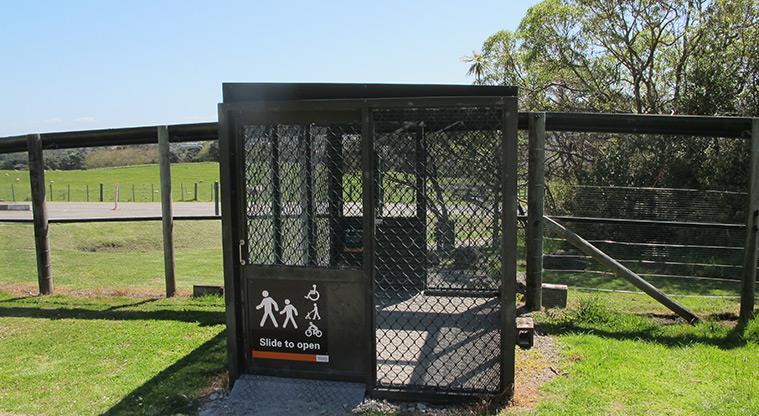
In the book “The Third Space”, Adam Fraser argues that how we use this space has a significant impact on our overall well-being and effectiveness. He suggests we need to use this transition to mentally ‘reset’ ourselves before entering a new situation. It involves a three-step process: Reflect, Rest, and Reset. Reflecting allows us to learn from past experiences, Resting helps to clear our minds, and Resetting enables us to adapt our behaviour to the upcoming situation. By doing this, individuals can improve their productivity, communication, and work-life balance.
For example, consider the professional who leaves a stressful meeting and enters the lunchroom a space of camaraderie, our ability to reset and engage positively with colleagues can be hindered by the lingering effects of prior tensions. The challenge lies in our capacity to compartmentalize and transition effectively between these spaces without allowing negative experiences to taint new interactions.
Reflect
The first step Reflect involves looking back at the previous situation or experience. It’s about acknowledging what happened, how it made you feel, and what impact it had. This reflection helps to process and release any negative emotions or stress before moving into the next activity.
Rest
The second step is to Rest. This is a brief period of relaxation to calm the mind and body. It doesn’t necessarily mean physical rest; it can be a mental break or a moment of mindfulness. The goal here is to reduce mental fatigue and create a calm state of mind.
Reset
The final step is to Reset, which means getting ready for the next activity or task. This involves setting your intentions, adjusting your attitude and mentally preparing yourself. Resetting helps to create a positive mindset and approach the next space with a clear, focused state of mind.
These three steps sound all well and good when you have time to process each step, but when time is limited, implementing the three R’s (Reflect, Rest, and Reset) can still be done effectively in a condensed form. Here are quick methods to achieve this transition in just a couple of minutes:
- Quick Reflect (30 seconds): Take a few deep breaths and mentally acknowledge the activity or situation you’re leaving. Identify one key feeling or thought from it. Acknowledge it, and then consciously decide to leave it behind.
- Rapid Rest (30 seconds to 1 minute): Close your eyes for a moment, take deep, slow breaths, and try to clear your mind. Even a short period of deep breathing can significantly reduce stress levels and refresh your mind.
- Speedy Reset (30 seconds to 1 minute): Think about the upcoming activity. Set a clear, simple intention or goal for it. Visualise yourself entering this new situation positively and effectively. Adjust your mindset to be open and ready for what’s next.
Remember, the key is not the duration but the quality and intention behind each step. Even if done briefly, this process can significantly help in transitioning smoothly between different roles or tasks.
I had an opportunity to use this process a few days ago. I had a meeting leading straight into facilitating a webinar. During the meeting a colleague had asked questions that they should have known the answer to and raised concerns that decisions had already been made weeks ago. I felt frustrated and embarrassed in front of the clients we were working with. At the end of the meeting, I engaged the three-step process with taking some deep breaths, quickly acknowledging why I was frustrated and embarrassed, took three deep breaths to clear my mind, and then visualised the upcoming webinar and how I wanted to act. Needless to say, the webinar went well. 😊

It takes practice to be able to go through the process fluently, but with that practice the ability to transition with positive effectiveness will become second nature.
Happy practicing 🙂
To receive these posts via email please subscribe.
 Loving Change and All things Learning
Leave a comment