
We’ve moved from the industrial age through the information age, and now we’re stepping into what many call the imagination age. In this rapidly evolving world, we need more than just knowledge – we need the ability to adapt and think differently. That’s where curiosity comes in. It’s not just a nice-to-have quality anymore—it’s essential. It’s that persistent itch to understand, to dig deeper, and to see things from new angles that keeps us growing and learning.
Anyone who’s spent time around toddlers knows that magical phase when “why?” becomes their favorite word. Their curiosity is boundless, their questions endless, and while it might test our patience as parents or caregivers, there’s something profound we can learn from this natural instinct to question everything. That childlike wonder is exactly what we need to cultivate in ourselves as we navigate this new era. Curiosity acts as our compass, helping us see beyond the obvious and discover deeper meanings and connections.
In a world where instant answers are just a search away, it’s easy to become passive consumers of information. But true curiosity goes deeper than quick answers. Here’s a simple challenge to spark your own curiosity: After reading this, take a moment to identify one thing you’ve always wondered about but never investigated. Then, dive in and explore it. Not just with a quick search, but with real curiosity. This small step could be the beginning of rediscovering your natural sense of wonder.
Beyond Just Being Curious
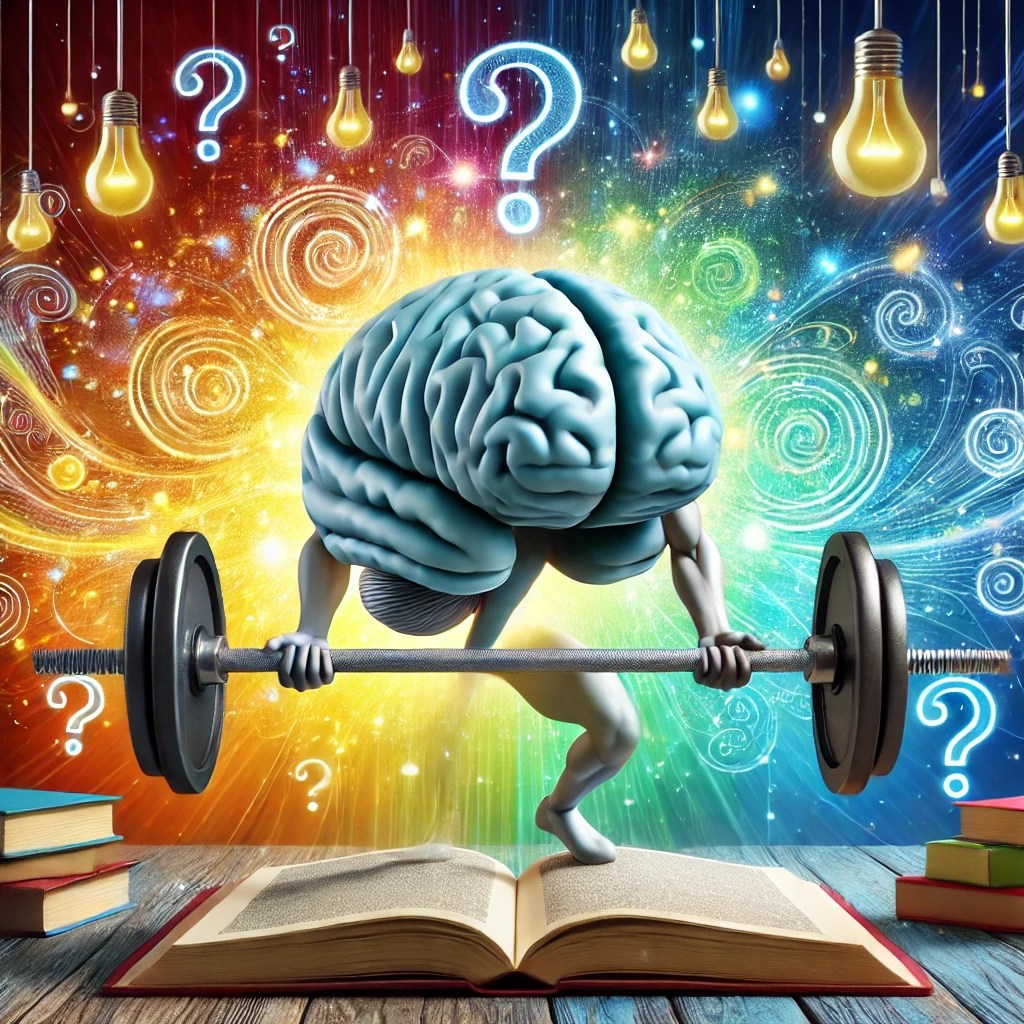
Think of curiosity as cross-fit for your mind. Learning new information creates neural pathways, keeping your brain flexible and adaptable. But true curiosity goes beyond just gathering facts – it requires us to think critically about what we learn. This combination of curiosity and critical thinking is like having both a compass and a map: curiosity points us in interesting directions, while critical thinking helps us navigate the territory.
In our rapidly changing world, this pairing is more crucial than ever. In 1941, when George de Mestral arrived home from hiking with his dog, they were both annoyingly covered in burrs. First it was curiosity and then a systematic analysis that led George to invent Velcro. He didn’t just wonder “why do they stick?” and leave it at that. He examined them under a microscope, studied their structure, and critically thought about how to apply this natural design to solve a practical problem.
“It ain’t what you don’t know that gets you into trouble. It’s what you know for sure that just ain’t so,” – Mark Twain
Mark Twain’s wisdom is particularly relevant today, when we’re bombarded with information from countless sources. While curiosity drives us to consume new information, critical thinking helps us evaluate it. Think about social media: it’s not enough to be curious about the latest viral story – we need to question it, verify it, and understand its context.
When UNESCO (United Nations Educational, Scientific and Cultural Organsiation) declared education a human right in 2000, they recognized that informed citizens make better decisions. But in today’s world of artificial intelligence and instant information, education needs to go beyond just acquiring knowledge. That’s why UNESCO now emphasizes critical thinking as essential for solving complex global problems. This isn’t just about academic achievement – it’s about developing a mindset that questions thoughtfully and evaluates carefully.
This mindset requires what scholars call “knowledge humility” – the understanding that what we think we know might not be entirely correct. It’s about being confident enough to question our own assumptions and open enough to consider new perspectives. As artificial intelligence becomes increasingly sophisticated at providing information, our human capacity for nuanced thinking and thoughtful evaluation becomes even more valuable. It’s this combination of humility and critical curiosity that will help us navigate the challenges ahead.
The Art of Critical Thinking: Practical Steps
Critical thinking isn’t about being negative or skeptical of everything – it’s about being thoughtfully analytical. As philosopher Paul Elder put it, it’s “the art of analyzing and evaluating thinking with a view to improving it.” This simple yet powerful definition reminds us that critical thinking is both a skill and a process – one that we can continuously develop.
At its core, critical thinking involves analyzing facts, evidence, and observations to make sound conclusions. It requires us to recognize our assumptions, justify our ideas, and consider different perspectives. Most importantly, it’s not a natural process – it must be consciously developed through practice and self-discipline. The good news? Like any skill, we can learn and improve it through practical steps.
First, practice the pause. When you encounter new information, especially something that confirms your existing beliefs or triggers a strong emotional response, take a moment. Ask yourself: “What’s the evidence for this? What might be another explanation?” This simple pause can prevent us from jumping to conclusions.
Second, get comfortable with uncertainty. We often rush to judgment because uncertainty feels uncomfortable. But some of the most successful people in history embraced phrases like “I’m not sure” or “Let me investigate that further.” When SpaceX engineers face a rocket failure, they don’t jump to conclusions – they methodically examine every possibility, even the unlikely ones.
Third, seek out different perspectives. If you’re reading about a controversial topic, look for respected sources that offer contrasting viewpoints. The goal isn’t to prove one side right or wrong, but to understand the complexity of the issue. Think of it like walking around a sculpture – you need to view it from multiple angles to truly appreciate its form. David Schmaltz’s parable of the The Blind Men and the Elephant is relevant here. The parable describes each man touching a different part of the elephant and explaining it according to their limited viewpoint.
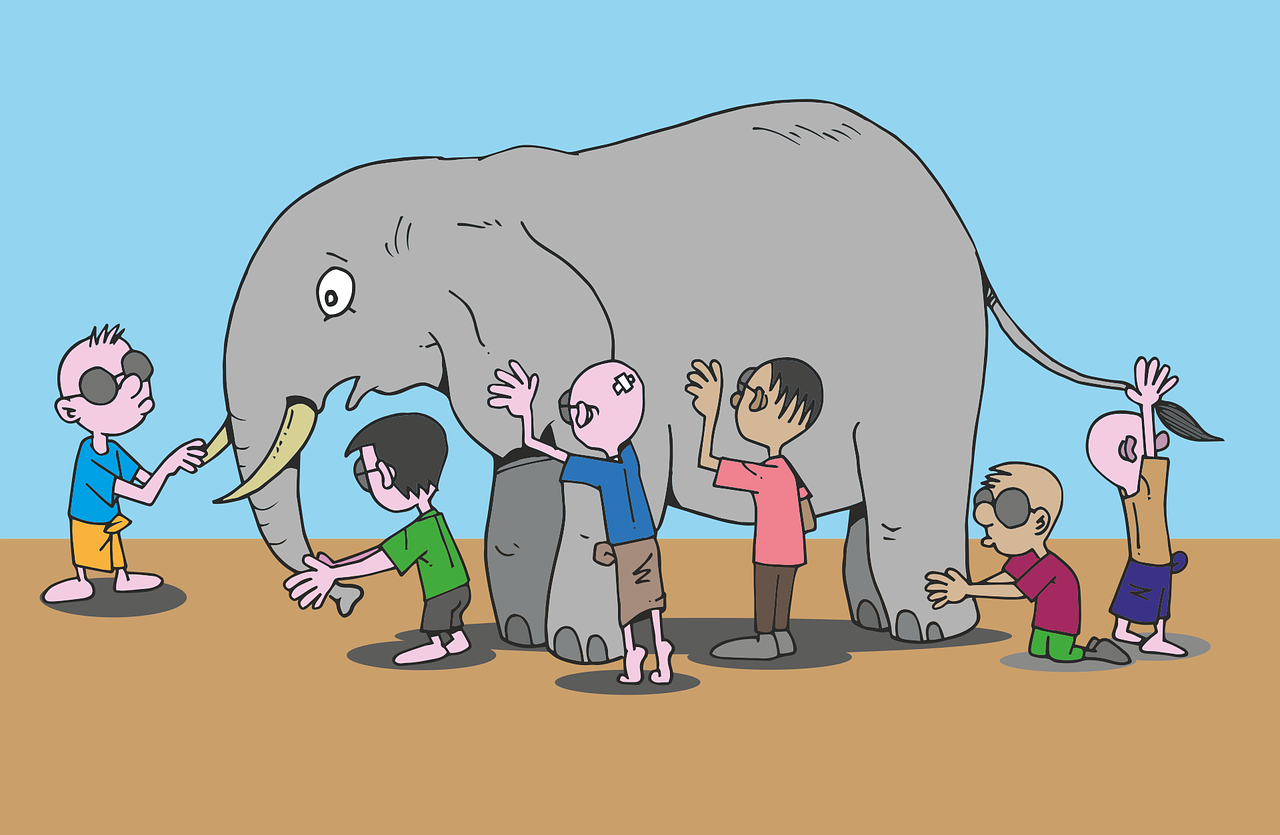
Image by Mote Oo Education from Pixabay
Finally, learn to spot common thinking traps that can lead us astray. These logical fallacies are like optical illusions for our brain – even when we know about them, they can still trick us. Here are some of the most common ones:
The “correlation equals causation” trap is a classic example. When two things happen together, we often assume one caused the other. Consider a news headline, “Ice creams sales and drowning rates skyrocket”. Yes, ice cream sales and drowning rates both increase in summer, but ice cream doesn’t cause drowning – hot weather leads to both more swimming and more ice cream consumption. This same mistake happens when people claim violent video games cause violent behavior, without considering other factors like social environment or mental health.
Another common trap is “confirmation bias” – our tendency to embrace information that supports our existing beliefs while dismissing information that challenges them. For instance, if you believe a particular diet is healthy, you might eagerly share success stories while ignoring studies that show its limitations.
The “appeal to authority” fallacy is especially relevant in today’s world of influence’s and experts. Just because someone is successful or famous doesn’t mean their opinions on unrelated topics are automatically valid. A celebrated athlete might give great fitness advice but their investment tips deserve the same scrutiny as anyone else.
Understanding these thinking traps doesn’t just help us avoid them – it helps us spot them in the arguments and claims we encounter daily, from advertising to social media debates to workplace discussions.
Put It Into Practice
Critical thinking demands what experts call “self-directed, self-disciplined, self-monitored, and self-corrective habits of the mind.” This means developing a mindful approach to how we process information and make decisions. While this might sound daunting, we can start with simple practices in our daily lives.
Start small. The next time you read a news headline that grabs your attention, ask:
- What’s the source of this information?
- Are there any potential biases at play?
- What parts of the story might be missing?
- How would someone with a different perspective view this?
Bringing It All Together
Remember our earlier challenge about pursuing something you’re curious about? Now try approaching it with both curiosity and critical thinking. Let’s say you’re curious about why leaves change color in autumn. Don’t just Google “why do leaves change color?” and accept the first answer. Instead, compare different sources, question your assumptions, and maybe even conduct your own observations. You might be surprised by what you discover – not just about leaves, but about your own capacity for deeper understanding.
The world we’re living in demands more from us than ever before. Artificial intelligence can provide instant answers, but it can’t replace the uniquely human ability to be both wonderfully curious and thoughtfully skeptical. This combination isn’t just about personal growth or professional success – it’s about being better equipped to navigate the complexities of modern life.
So, here’s your expanded challenge: Each day this week, choose one thing to be curious about and apply your critical thinking skills to it. It could be as simple as questioning why your favorite coffee shop arranges their counter a certain way, or as complex as exploring a major news story from multiple angles. The goal isn’t to become cynical or skeptical of everything, but to develop a balanced approach that combines wonder with wisdom.
Because in this imagination age, success isn’t just about what we know – it’s about how we think. And the beautiful combination of curiosity and critical thinking isn’t just a skill set – it’s a mindset that can transform how we see and interact with the world around us.
To receive these posts straight in your inbox, please subscribe. Remember to look in your inbox as you will receive an email asking you to confirm your subscription.
 Loving Change and All things Learning
Leave a comment