
How we view the world, people, and situations around us is dependent on many factors. An individual’s diversity, their gender, socio economic status, ability, ethnicity will also influence the opportunities that they encounter. What individuals learn through these experiences and what they are told, what they read and believe is what forms our implicit or unconscious biases. Unconscious bias is a term used to describe the attitudes or stereotypes that affect our thoughts and behaviour in an unconscious way (and potentially negative way). Like looking through glasses, it changes and colours the lens that we look through at life and how we react to various situations. These biases can be dangerous because they sit within us at an unconscious level, and we are often unaware of having them. When a situation occurs, we react with what is embedded at an unconscious level, rightly or wrongly without any thought.
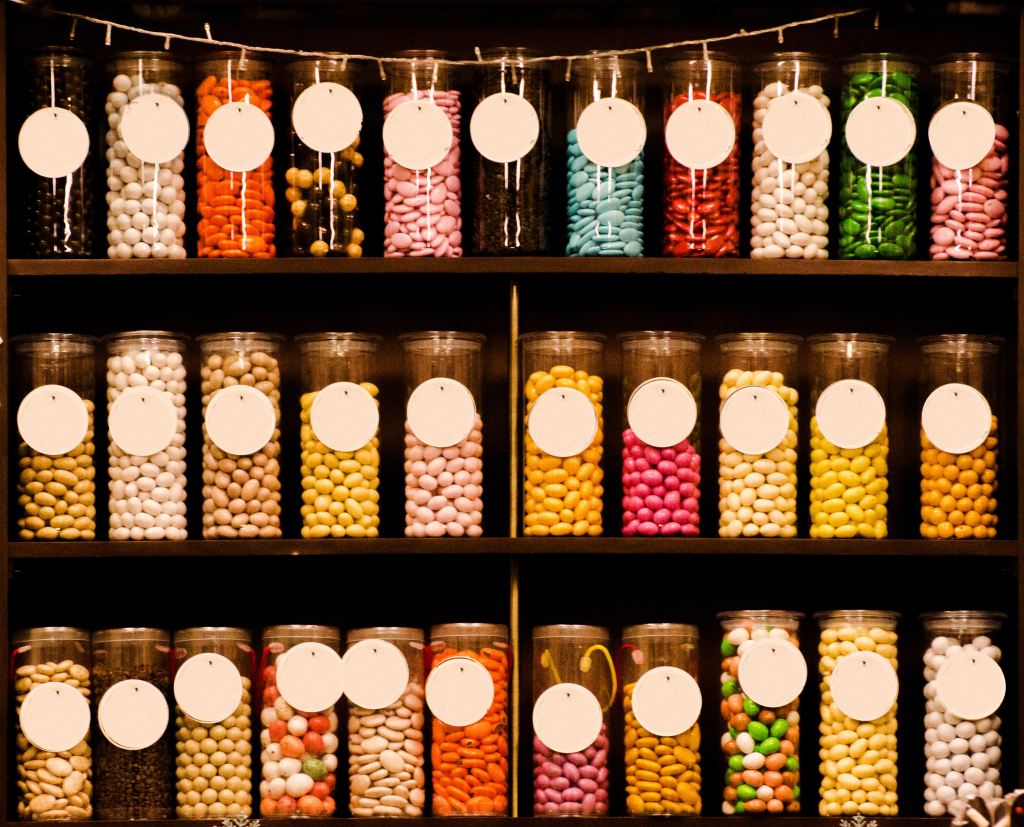
We all have them and left untouched and unacknowledged can have a significant impact on our lives. Imagine invasive weeds in a garden, this bias can affect our decisions, our relationships, and our opportunities. A negative unconscious bias can lead to discrimination in the workplace, in education, and in housing. It can also lead to violence and other forms of harm. For example, as a young adult I used to avoid men who were Indian. There was no reason for this except that I had decided I didn’t like them. When I thought about it more, I realised I had an unconscious bias because of a very silly inconsequential experience in my childhood (age 12). When I had spare pocket money, I would go to the local shop to buy a few sweets. There happened to be two shops that sold sweets and I would just go to the closest one. One day, was excited to be buying some sweets with my hard-earned pocket money and I went into the shop and started choosing. The sweets were kept in glass jars, and we were able to purchase 1 or 2 of each at a time. The shop keeper who was male and Indian was serving another adult customer. When they finished with the transaction, they kept chatting. I had made my choice and stood patiently waiting, the shop keeper saw me waiting but kept chatting. After about ten mins I decided, I didn’t want to wait any longer and thought I would try the shop just a few doors away. As I turned to leave the shop keeper saw he was going to lose a sale and interrupted his conversation and asked if he could help. I politely declined and went to the other shop where I was served immediately. From then on, I always walked to the shop further away. At the tender age of 12 I had felt mistreated by the shopkeeper, my thought processes then associated all male Indians with this experience and blurred my vision and the way I thought. I am happy to tell you that when I recognised this I was able to sort out my thoughts and I have some very good friends who also happen to be male and Indian. 😊
The blurring of our vision and how this affects our thoughts leads to discriminative thoughts and attitudes and can affect our behaviour in subtle ways. For example, a hiring manager might unconsciously favour a candidate who went to the same college as they did, or a teacher might unconsciously give more attention to students who remind them of themselves.
Understanding that these reactions are happening at this level, helps us to explain why there are discriminations around.
It is hard to address these discriminations because like myself at the time people don’t realise that they have them, we genuinely think we are good people and don’t even know we are carrying around these biases. It is this denial or unawareness that needs to be addressed and taught. Discrimination is more than being kind and accepting one another. We need to go beyond learning about each other’s cultures and learn about our own biases. We can then start to consciously change the way we think, which will change our decision making. This conscious change in our thought processes and reactions will start to change discriminations and promote equity in our professional and personal environments.
How to become aware of the colour and blur of our lenses.
There are several things that we can do to become more aware of our unconscious biases. One thing is to take an unconscious bias test such as The Implicit Association Test. These tests can help us to identify our biases and to understand how they might be affecting our thoughts and behaviour.
The Implicit Association Test (IAT) measures attitudes and beliefs that people may be unwilling or unable to report. The IAT may be especially interesting if it shows that you have an implicit attitude that you did not know about. For example, you may believe that women and men should be equally associated with science, but your automatic associations could show that you (like many others) associate men with science more than you associate women with science.
Here are some common examples of unconscious biases:
- Gender Bias: When we make assumptions about someone based on their gender, such as assuming women are more emotional or less competent than men.
- Racial bias: When we make assumptions about someone based on their race or ethnicity, such as assuming that a person of colour is less qualified than a white person.
- Age bias: When we make assumptions about someone based on their age, such as assuming that older people are less productive or less adaptable than younger people.
- Affinity bias: When we favour people who are similar to us in terms of background, interests or personality, and overlook the strengths of people who are different from us.
Another thing that we can do to become more aware of our unconscious biases or attitudes is to pay attention to our thoughts and feelings. When we interact with people from different groups, we should take note of any negative or positive thoughts or feelings that we have. We can challenge negative thoughts about certain groups by learning more about their thoughts and experiences. Understanding other people’s views starts to break down barriers and creates equity and inclusiveness.
So, how can we overcome unconscious bias? Here are some tips:
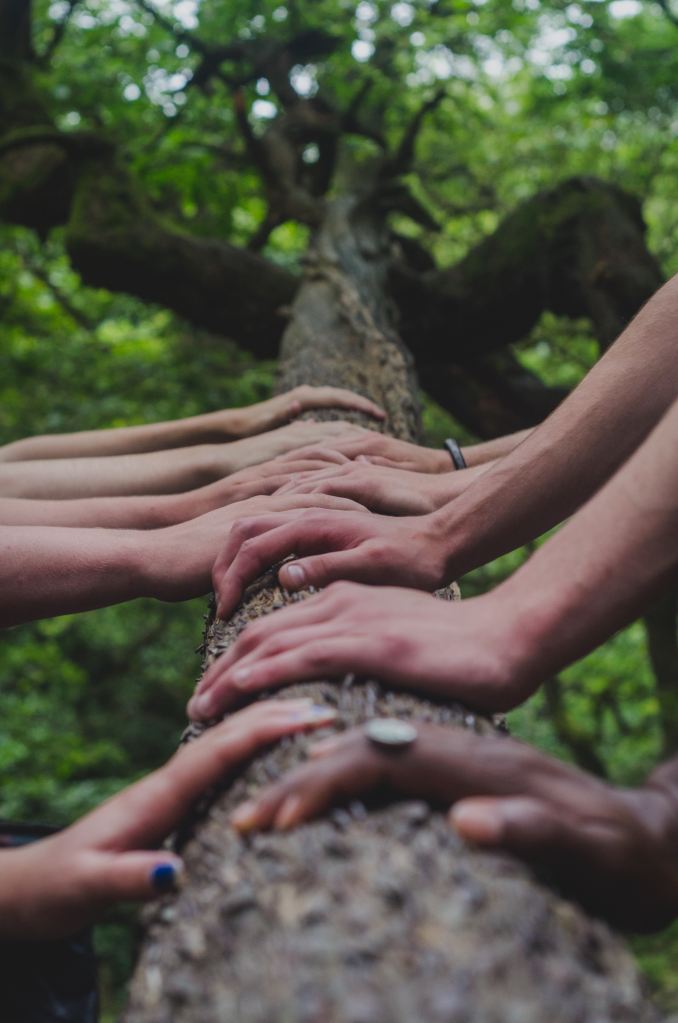
- Educate yourself: learn about different types of biases and how they can affect our behaviour. This will help you recognise when you’re experiencing a bias and take steps to counteract it.
- Challenge your assumptions: Whenever you find yourself making assumptions about someone based on their gender, race, age, or any other characteristic, ask yourself if you have any evidence to support those assumptions. If not try to give the person, the benefit of the doubt and approach them with an open mind.
- Increase diversity: surround yourself with people who are different from you in terms of background, culture, and experiences. This will help you broaden your perspective and reduce the influence of affinity bias.
- Act: Once you’ve identified your biases, take concrete steps to counteract them. For example, if you notice that you tend to interrupt women more often than men, make a conscious effort to listen more carefully and give women equal time to speak.
Unconscious bias is a natural part of human psychology, it is not wrong to have them but it can have negative consequences if we’re not aware of it. By educating ourselves, challenging our assumptions, increasing diversity, and acting, we can overcome our biases and create a more inclusive and equitable society.
What action are you going to take today?

 Loving Change and All things Learning
Leave a reply to Anonymous Cancel reply